Comparing DNA Damage Assays in Equine Sperm Preservation Background & Purpose Preserving sperm DNA integrity is critical for successful equine assisted reproduction. While low-temperature storage is traditional, above-15°C methods have emerged to reduce cold shock damage. Oxidative stress during any preservation method can cause DNA damage. This study compared the sensitivity of two DNA damage assays — the… Read More: Comparing DNA Damage Assays »
Dismount Semen Sample Evaluation, Post-Mating Antibiotics, and Mare Clinical Parameters Background Purpose In Thoroughbred breeding, in-hand mating is the only permitted method, and dismount semen sample evaluations are routinely collected to confirm ejaculation and assess semen quality. Post-mating uterine antibiotic infusions (ceftiofur or ticarcillin) are commonly used to reduce infection risk. This study examined whether dismount sample characteristics… Read More: Dismount Semen Sample Evaluation »
ISSR-8 “Snippets” The 8th International Symposium on Stallion Reproduction Held in Spain in February 2025, ISSR-8 produced a variety of useful research with immediate clinical value. We are honoured to have been permitted to share ISSR-8 presentation “snippets” of the research by – and in association with – the International Society for Equine Reproduction Presentations included a wide… Read More: ISSR-8 »
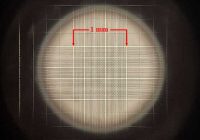
Counting Sperm With a Hemocytometer Counting sperm to determine concentration is an essential part of evaluating or processing semen, and counting sperm with a hemocytometer is a very accurate method when performed correctly. In order to do anything with a reasonable expectation of success when preparing semen for use, one needs to know the raw sperm concentration. There… Read More: Counting Sperm With a Hemocytometer »
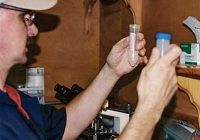
Processing Equine Semen It’s not difficult to correctly process equine (horse) semen for on-farm insemination or shipping, but it is one about which we often receive questions. Here we look at the basic steps behind achieving a good shipment. This article reviews management of a straightforward stallion. Poor quality semen or that with specific issues – although briefly… Read More: Processing Equine Semen »
Stallion Conference – Poland – 19-21 November, 2025 Presented by the same management team the brought the “PolSKI” Equine Reproduction Conference to the veterinary world, this meeting is dedicated to the stallion. With presenters from all over the world who specialize in stallion reproduction, this meeting promises a variety of information for both the veterinarian and the advanced… Read More: Stallion Conference – Poland 2025 »
US CEM Outbreak – Update The CEM outbreak in Florida continues to produce new cases. The initial animal was a mare identified following breeding in May. Tracebacks commenced and to date there are a total of 43 cases, which include 16 domestic ponies (2 stallions, 1 mare, and 13 geldings), 14 riding horses of various breeds (all geldings),… Read More: US CEM Outbreak – Update »
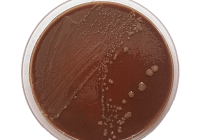
CEM Identified in Florida “A mare in Florida (FL) has been confirmed culture positive by the USDA APHIS National Veterinary Services Laboratories (NVSL) for Taylorella equigenitalis, the bacterium that causes contagious equine metritis (CEM). The affected mare, the breeding stallion, and one other mare are under quarantine. A comprehensive epidemiological investigation is being conducted including traceback and history… Read More: CEM Identified in Florida »
Does Maternal Exposure to Blue Light Affect Foal Development at Maturity? Because humans like to try and defy nature – January 1st being the “birthday” in the northern hemisphere, and only marginally better August 1st in the southern – we are often attempting to force earlier onset of cyclicity in the seasonally anestrus mare using lighting programs. Several… Read More: Blue Light »
Does Routine Monitoring for EVA Make a Difference? With the announcement this week of an outbreak of equine viral arteritis in PEI in Canada, a very reasonable question to ask is “does routine monitoring for EVA make a difference?” At the recent ISER meeting in Brazil, Kaps et al. reviewed the effects of monitoring and management practices on… Read More: Monitoring for EVA »