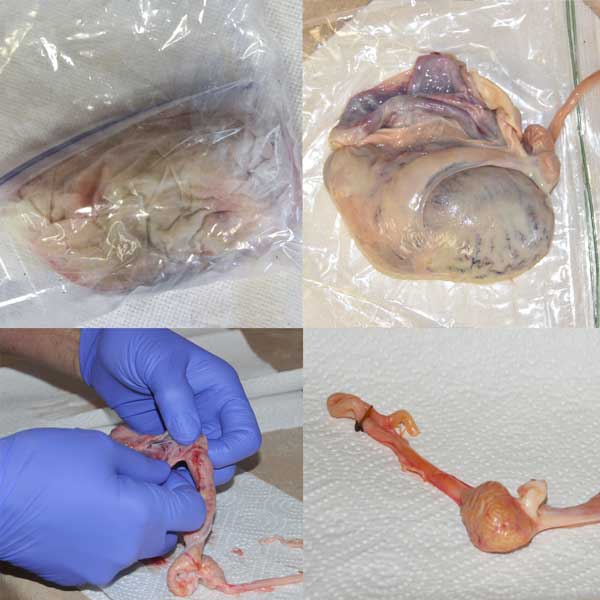
Epididymal Sperm Collection and Processing
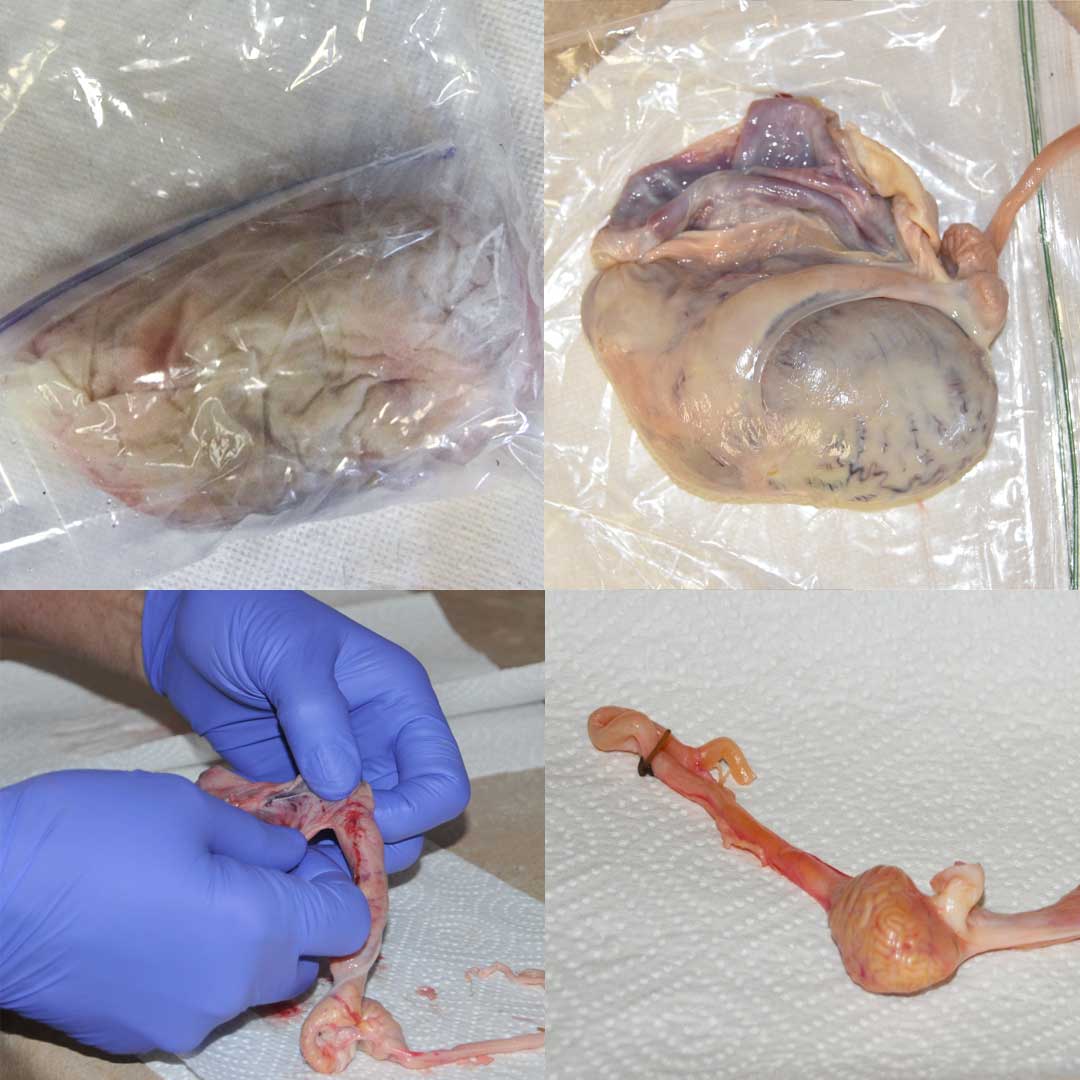 Epididymal sperm collection and processing represent the last opportunity for genetic material rescue following sudden stallion death or emergency castration. This study evaluated multiple collection and processing variables across 142 samples to develop a standardized, practitioner-ready protocol.
Study Design:
- 142 samples collected from stallions undergoing elective orchiectomy (castration)
- Computer-assisted sperm analysis used for all kinematic assessments
- Variables tested:
- Total versus partial intravenous anesthesia, with or without local lidocaine
- Transport duration and temperature (5°C)
- Harvesting technique: retrograde flush versus flotation
- Two commercial extenders
- Centrifugation effect
- Refrigeration duration
- Seasonality and age influence
Key Results:
- Partial intravenous anesthesia negatively affected motility compared to total intravenous anesthesia
- Local lidocaine had no effect on kinematic characteristics
- Motility declined during transport at 5°C, but viable spermatozoa were successfully recovered up to 72 hours
- Retrograde flush was superior to flotation for sperm harvesting
- Centrifugation did not improve any measured parameter
- Age and season significantly influenced motility and concentration
Conclusions:
- Epididymal spermatozoa maintain viable kinematic characteristics under general anesthesia and refrigerated transport
- Total intravenous anesthesia, retrograde flush, and avoidance of centrifugation are recommended
- Older stallions and those outside breeding season should be expected to yield reduced motility and concentration
- Results reflect pre-ejaculatory sperm characteristics and may not fully represent emergency castration scenarios
- Epididymal sperm collection and processing offers a continued availability of genetic resource following sudden death or castration of a stallion.
(Tripon TM, Crecan CM, Daradics Z, Morar IA. 2025. Equine epididymal spermatozoa: A practical guide to collection, processing, and laboratory techniques. JEVS 145:105328 – Presented in Association with and by Permission of the International Society for Equine Reproduction)