Seminal Plasma Components and Alternative Cryoprotectants in Donkey Sperm Antioxidant Capacity and Fertilizing Potential Seminal plasma in equids plays a multifaceted role in sperm function, including oxidative stress protection. In donkeys specifically, seminal plasma supplementation during cryopreservation has shown antioxidant benefits. This study examined associations between seminal plasma proteins, antioxidant enzymes, cryoprotectant combinations, and post-thaw fertilizing capacity in… Read More: Seminal Plasma Components and Alternative Cryoprotectants in Donkey Sperm »
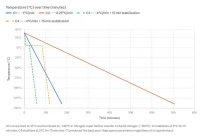
Effect of Cryoprotectant Type and Cooling Rate on Post-Thaw Equine Sperm Quality Optimizing cryoprotectant selection and cooling curve parameters is critical for maximizing post-thaw sperm quality in equine semen. This study systematically evaluated four permeating cryoprotectants across four cooling rates to identify the most effective combination for commercial equine semen cryopreservation. Study Design: 6 stallions; 48 ejaculates split… Read More: Cryoprotectant Type and Cooling Rate »
Long-Term Liquid Nitrogen Storage Effects on Frozen Stallion Semen Quality and Messenger RNA Abundance Cryopreserved semen stored in liquid nitrogen is widely assumed to maintain fertility indefinitely, yet emerging reports suggest possible long-term quality decline. This study examined whether extended storage duration affects conventional sperm quality parameters and fertility-associated messenger RNA abundance in commercially cryopreserved stallion semen. Study… Read More: Long-Term Storage Effects on Frozen Stallion Semen »
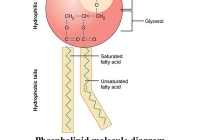
Sperm Membrane Lipid Profile Differences Between Poor and Good Freezer Stallions A significant subset of stallions exhibits poor sperm tolerance to cryopreservation for reasons that remain incompletely understood. This study used mass spectrometry-based lipidomic analysis to characterize and compare sperm membrane lipid profiles between stallions with established poor and good post-thaw semen quality. Notably, this research emphasizes the… Read More: Sperm membrane lipid profiles in semen from “bad” and “good”… »
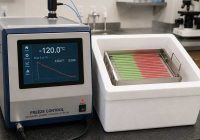
Post-Thaw Sperm Motility Comparing Automated Freezer vs. Styrofoam Box Across Multiple Cryoprotectants Standardizing equine semen cryopreservation is challenging due to variability in freezing equipment and cryoprotectant selection. This study compared a computer-controlled automated freezing machine vs. Styrofoam box method across four cryoprotectant combinations to assess post-thaw sperm motility outcomes. Study Design: 4 stallions (ages 4–20); 4 semen collections… Read More: Automated Freezing Machine vs. Styrofoam Box »
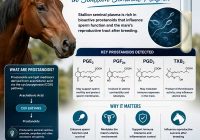
Prostanoids as Markers of Oxidative Stress in Stallion Semen Standard pre-processing semen assessment does not reliably predict quality after chilled storage. Oxidative stress in stallion semen during cooling damages sperm membranes via lipid peroxidation, reducing fertilizing potential. This study investigated whether seminal plasma prostanoids — established lipid peroxidation biomarkers — could predict chilled semen quality in stallions. Study… Read More: Prostanoids as Markers of Oxidative Stress in Stallion Semen »
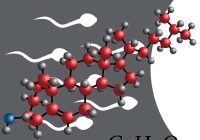
Increasing Sperm Membrane Cholesterol Improves Cold Shock Resistance and Cryosurvival in Stallions Stallion sperm are inherently sensitive to cold shock due to a low cholesterol-to-phospholipid membrane ratio (0.38–0.45), compared to cold-shock-resistant species such as humans and rabbits (0.88–0.99). This study investigated how much cholesterol supplementation — delivered via cholesterol-loaded cyclodextrins — is required to protect stallion sperm from… Read More: Cholesterol Improves Cold Shock Resistance »