Sperm Membrane Lipid Profile Differences Between Poor and Good Freezer Stallions
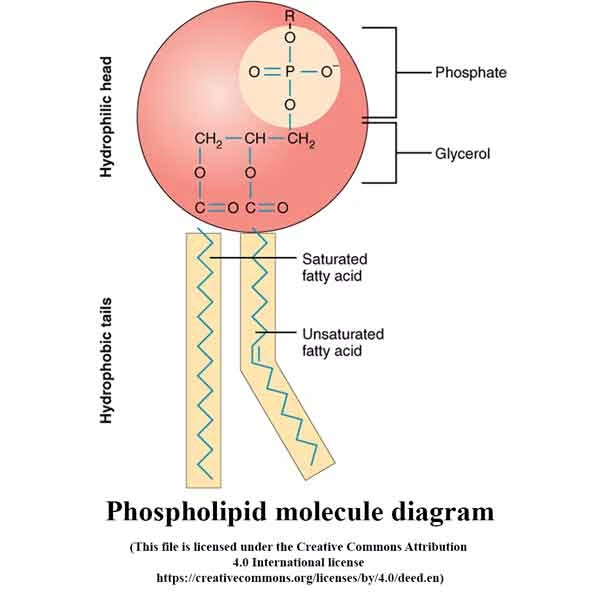
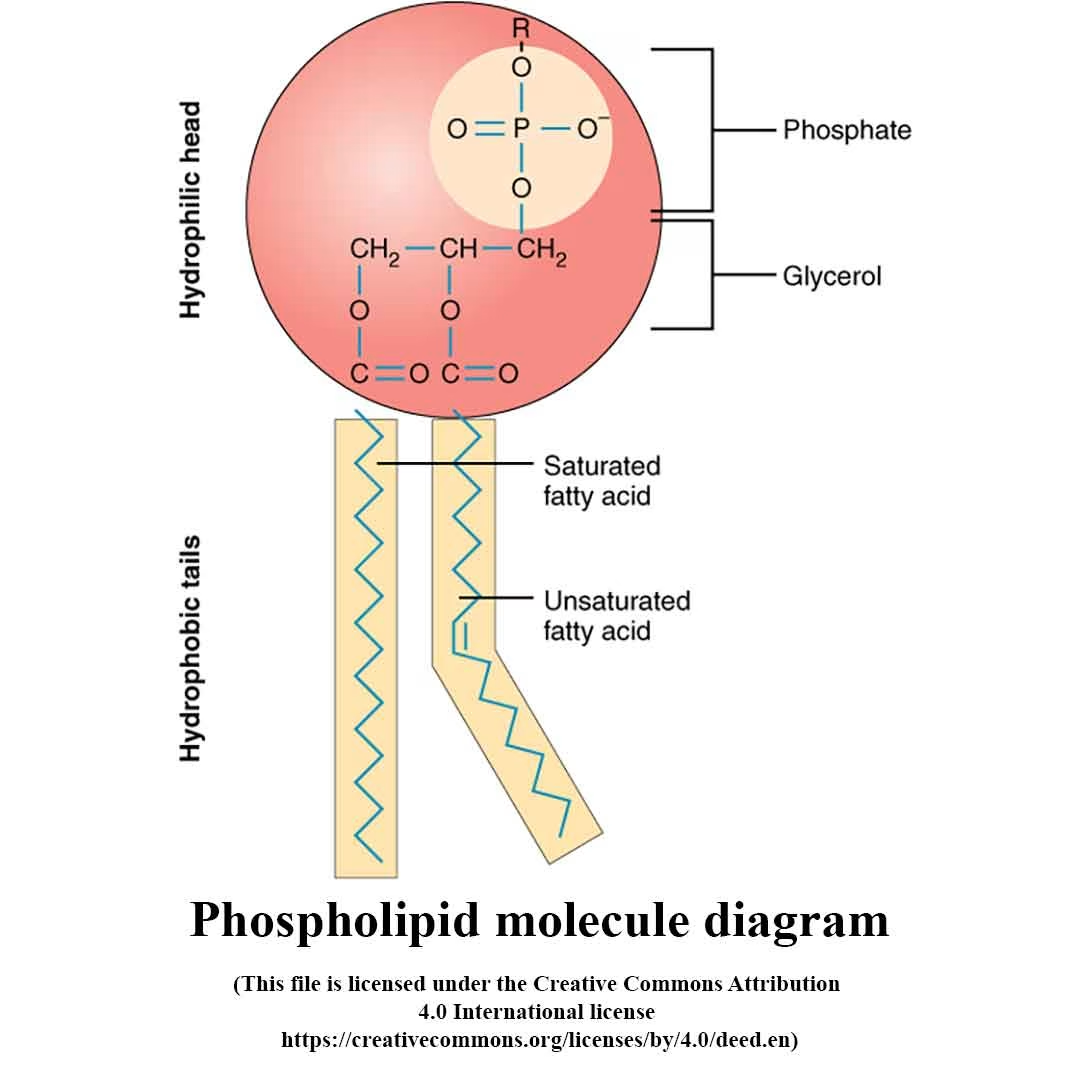 A significant subset of stallions exhibits poor sperm tolerance to cryopreservation for reasons that remain incompletely understood. This study used mass spectrometry-based lipidomic analysis to characterize and compare sperm membrane lipid profiles between stallions with established poor and good post-thaw semen quality. Notably, this research emphasizes the importance of understanding the sperm membrane lipid profile in predicting cryopreservation outcomes.
Study Design:
- 39 stallions with established fertility and cryopreservation histories; 2 ejaculates each
- Classified as poor freezers (n=19): total motility <35% and/or membrane integrity <15%
- Classified as good freezers (n=20): total motility >40% and/or membrane integrity >20%
- Lipid profiles obtained via mass spectrometry; differential expression analyzed by analysis of variance with Tukey’s test and volcano plot
Key Results:
- Five phospholipid classes were significantly more abundant in poor freezer stallions:
- Glycerophosphoethanolamines
- Glycerophosphoglycerols
- Glycerophosphoinositols
- Glycerophosphoserines
- Simple glucosylceramide series
- Differentially expressed lipids were characterized by long carbon chain lengths (31–39) and high polyunsaturation
- Lipid class patterns varied consistently between groups across multiple phospholipid families, reflecting changes in the sperm membrane lipid profile between poor and good freezers.
Conclusions:
- Sperm membrane lipid profile composition is a significant determinant of cryopreservation tolerance in stallions
- Long-chain polyunsaturated fatty acids in the plasma membrane appear to be critical negative regulators of cryoresistance, further supporting the impact of the sperm membrane lipid profile on fertility preservation outcomes.
- Lipidomic profiling offers a novel tool for predicting freezing suitability and informing targeted fertility preservation strategies. In summary, future research should continue to investigate the sperm membrane lipid profile to improve cryopreservation techniques in stallions.
(Ramires Neto C, Freitas-Dell’Aqua CP, Sancler-Silva YFR, Belaz KR, Zampieri D, Tata A, Eberlin M, Papa FO, Dell’Aqua Jr JA, Alvarenga MA. 2025. Lipid profile differences in semen from “bad” and “good” freezer stallions. Journal of Equine Veterinary Science 145:105315. https://doi.org/10.1016/j.jevs.2024.105315)