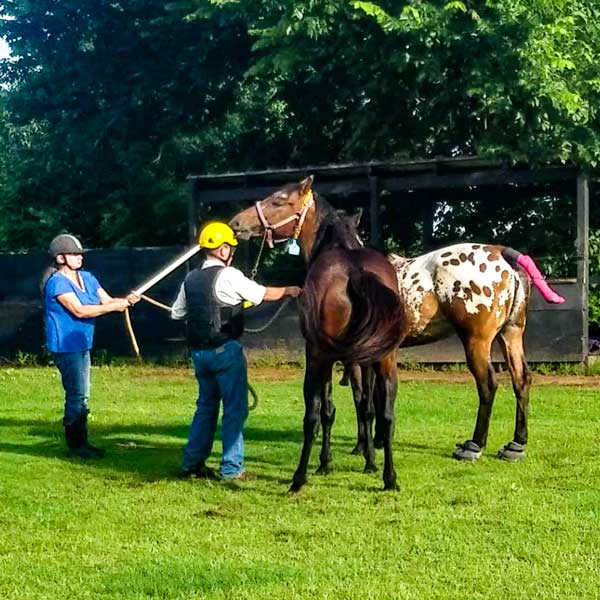
Stallion Dismount Latency and Pregnancy Outcomes in Thoroughbred Horses
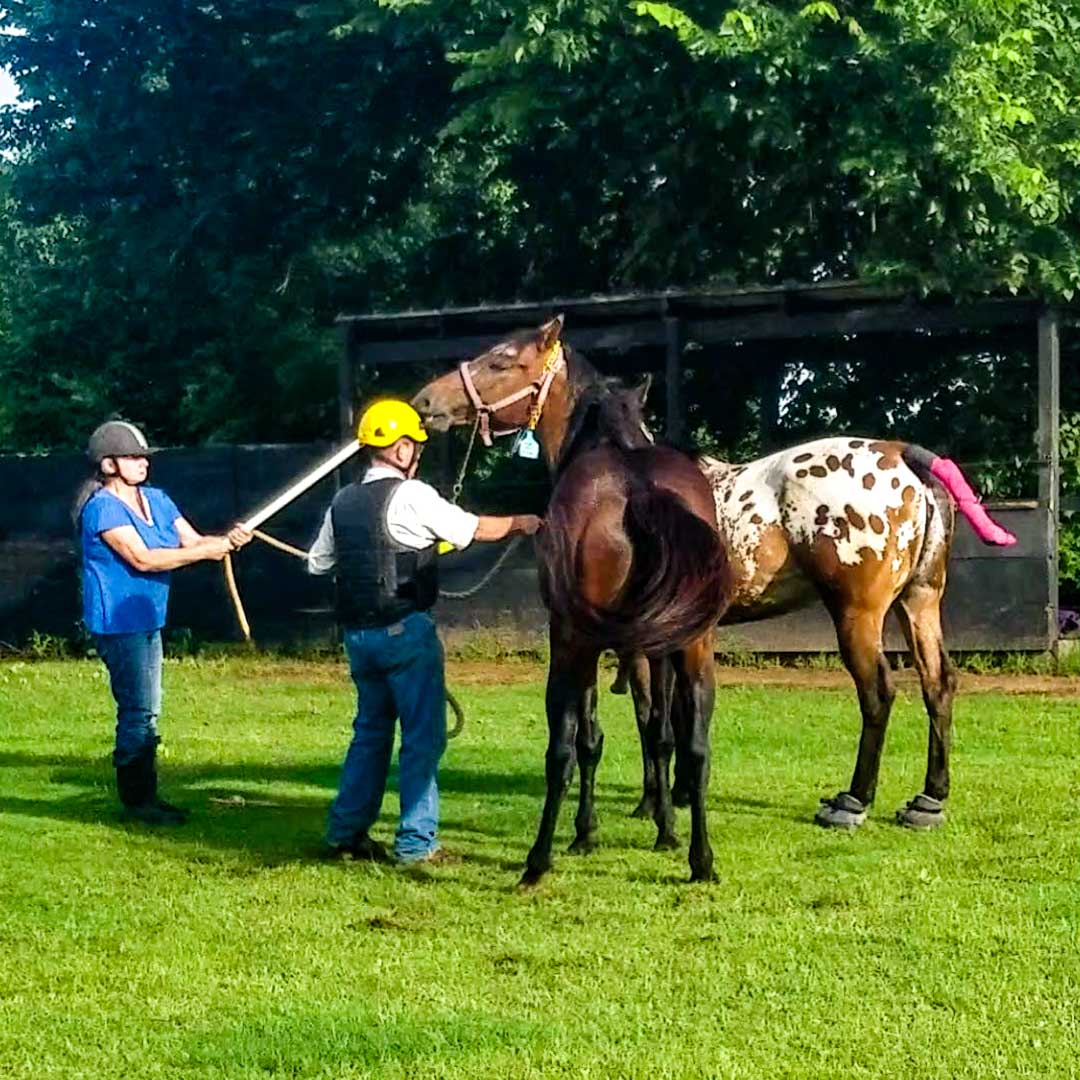 In Thoroughbred natural service breeding, dismount semen — residual urethral semen collected after copulation — is routinely used as a proxy for ejaculate quality. This study investigated whether the duration a stallion remains mounted post-ejaculation (stallion dismount latency) influences both dismount sample composition and pregnancy outcomes.
Study Design:
- 62 Thoroughbred stallions
- Dismount latency defined as time from ejaculation start to penile withdrawal
- Dismount samples analyzed for sperm concentration and motility parameters
- Pregnancy outcomes correlated with dismount latency using regression and one-tailed t-tests
Key Results:
- Sperm concentration in dismount samples negatively correlated with dismount latency — shorter stallion dismount latency yielded higher-quality samples
- Total motility showed a similar negative trend with dismount latency, though not statistically significant
- Progressive motility, straightness, and average path velocity showed no significant correlation with dismount latency
- Stallion dismount latency was significantly longer in cycles resulting in pregnancy (11.1 vs. 10.2 seconds; p≤0.05)
Interpretation:
- Prolonged stallion dismount latency likely results in more sperm being deposited directly into the uterus rather than retained in the vagina
- Shorter dismount latency is associated with premature withdrawal, leaving more residual sperm in the dismount sample
Conclusions:
- Longer dismount latency improves pregnancy outcomes and should be encouraged through management strategies
- Paradoxically, higher-quality dismount samples are associated with poorer pregnancy rates
- Stallion dismount samples are unreliable proxies for ejaculate fertility and should be interpreted with caution
(Medica A, Griffin R, Swegen A, Gibb Z. (2025) Prolonged dismount latency and its relationship with pregnancy outcomes in Thoroughbred horses. JEVS 145:105304 – Presented in Association with and by Permission of the International Society for Equine Reproduction)