Antimicrobial Resistant Bacteria in Cooled Stallion Semen and Post-Insemination Uterine Lavage Fluid
 Antibiotic addition to cooled semen extenders is standard practice for bacterial control during storage, yet this may contribute to antimicrobial resistance development and introduce resistant organisms into the mare’s uterus at insemination. This study screened commercial cooled semen and post-insemination uterine lavage fluid for the presence of antimicrobial resistant bacteria.
Study Design:
- Part 1: 98 commercial cooled semen shipments cultured after storage (4 hours to overnight); 7 samples cultured before and after storage with and without antibiotic-containing extender
- Part 2: 10 cooled insemination doses used in 10 mares; uterine lavage fluid collected 16–25 hours post-insemination
- Selective culture media used to detect extended-spectrum beta-lactamase producers, carbapenemase-resistant Enterobacteriaceae, methicillin-resistant Staphylococcus aureus, and vancomycin-resistant enterococci
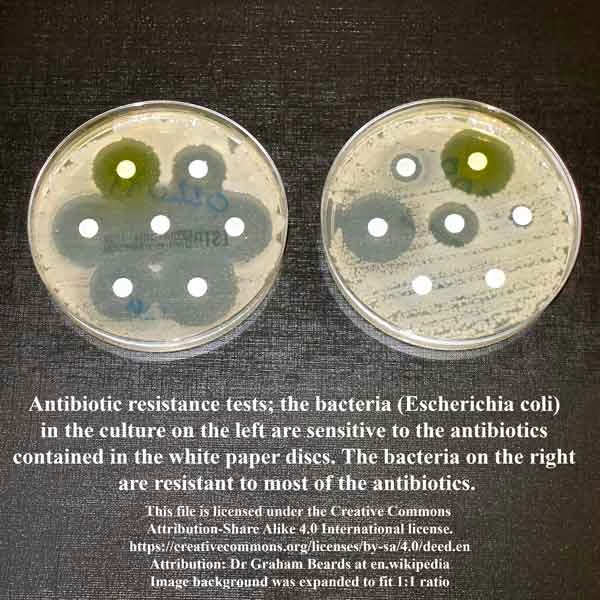
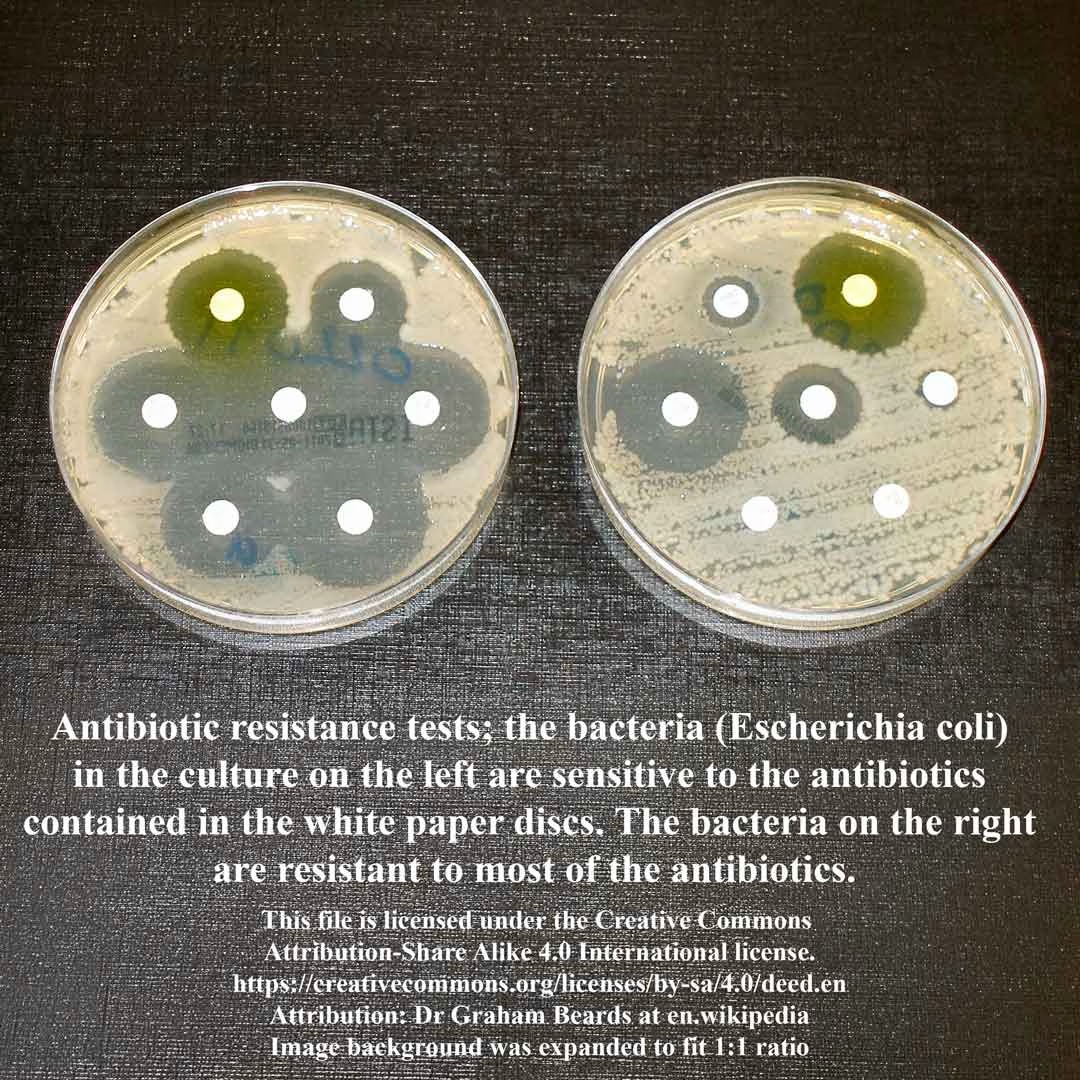
- Bacterial identification by mass spectrometry; antibiotic susceptibility by disk diffusion
Key Results — Part 1 (Semen):
- 23% of samples showed bacterial growth on blood agar
- Selective media growth: 21% methicillin-resistant Staphylococcus aureus-like, 17% extended-spectrum beta-lactamase producers, 14% carbapenemase-resistant, 9% vancomycin-resistant enterococci
- Samples stored without extender showed near-universal bacterial growth
Key Results — Part 2 (Mares):
- 9/10 mare and semen samples showed no bacterial growth
- Enterobacter cloacae with extended-spectrum beta-lactamase and AmpC resistance isolated from one mare — corresponding semen sample was culture-negative
- Resistant strains in mares appeared to originate independently of insemination doses
Conclusions:
- Antimicrobial resistant bacteria in cooled stallion semen are detectable but are not consistently transferred to the uterus at insemination
- Normal uterine defense mechanisms appear effective at clearing introduced bacteria
- Plasmid-encoded resistance enzymes pose zoonotic public health risk through horizontal gene transfer
(Marttila J, Tukia E, Heikinheimo A, Kareskoski M. 2025. Screening for antimicrobial resistant bacteria in cooled stallion semen and post-insemination uterine lavage fluid. Journal of Equine Veterinary Science 145:105303. https://doi.org/10.1016/j.jevs.2024.105303 – Presented in Association with and by Permission of the International Society for Equine Reproduction)